Dear fellow swimmers
As southern Britain endures its third heatwave of the summer, I’ve noticed its impact on my swimming training. I’ve found sessions more tiring than usual, my pace is a little slower, and I’ve been more prone to cramp – despite the relative cool of the water relative to the air.
It’s worth remembering that we carry the overall effect of heat into the water with us.
It’s harder to sleep, to stay properly hydrated, and even to eat properly. Extreme heat is a major stressor for our bodies. While a swim is one of our best options
to cool down, we should adjust our expectations and not expect to perform as usual. Slow swims may just be the result of the heat catching up with you rather than an indicator of poor fitness.
We should also keep in mind that while the water is relatively cool, it’s much warmer than usual for the time of year. Until this year, I had never measured higher than 24
degrees in the Thames. I recently measured 26.1. Local lakes are even warmer. I still train in an indoor pool, and those have become uncomfortably hot (although I know some of you feel they are always like this!).
As water temperature rises, it’s harder to shed heat. World Aquatics therefore set a limit of 31 degrees for open water racing. If your local swimming spot
is approaching this temperature, you can still swim but it would be safer to avoid any hard or prolonged swimming – and be aware that thermal stress can happen at less than 31 degrees. Our other tips for swimming while it’s so hot are as follows:
1. Lower your expectations
Don’t panic if your usual effort delivers slower speeds than usual – and don’t fight it. Instead, relax your regular pace targets.
2. Don’t be afraid to shorten a session
Training sessions often include a block that you’re expected to complete at high intensity
(e.g. threshold). If you’re feeling the effects of the heat, shorten the distance.
3. Pay attention to your hydration
Make sure you drink enough before, during and after your swim. It’s especially easy to neglect hydration if you’re doing a longer open water swim. Find a way
to make sure you have access to a drink.
4. Prioritise recovery
If you’re struggling to sleep due to the heat, consider replacing a training session with a relaxed, cooling leisure swim – or do an easy drills session. Poor sleep can be detrimental to
recovery.
5. Watch for warning signs of heat stress
Headaches, unusual fatigue, dizziness and nausea are all potential warning signs of heat stress. Take them seriously and find a way to cool down.
6. Head to the coast?
The sea is cooler than inland waters (although warmer than average for the time of year), but I’ve put a question mark on this one. If you have a long way to travel, that can be stressful in itself – and seaside resorts are likely to be crowded.
Note for wetsuit users
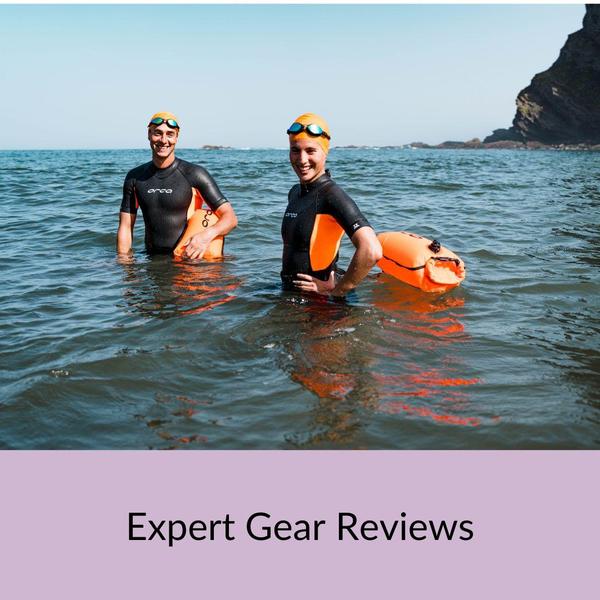
If you usually wear a wetsuit, consider ditching it if the water is above 24 degrees. Wetsuits trap warm water close to your skin and you can overheat quickly. If you feel you must keep it for confidence or buoyancy, shorten your swim and lower the intensity. You can also flush cooler water through it by gently tugging at the
neck.
As outdoor swimmers, we have better options than some people to escape the heat, but we still need to be aware of how it affects us, and adjust accordingly.
Elsewhere in today's newsletter
We've got a review from the Bewl Swimrun, which is under new management this year, we explore if there is a right way to breathe in front crawl and we're excited to be part of this year's WOWSA Awards!