Dear fellow swimmers
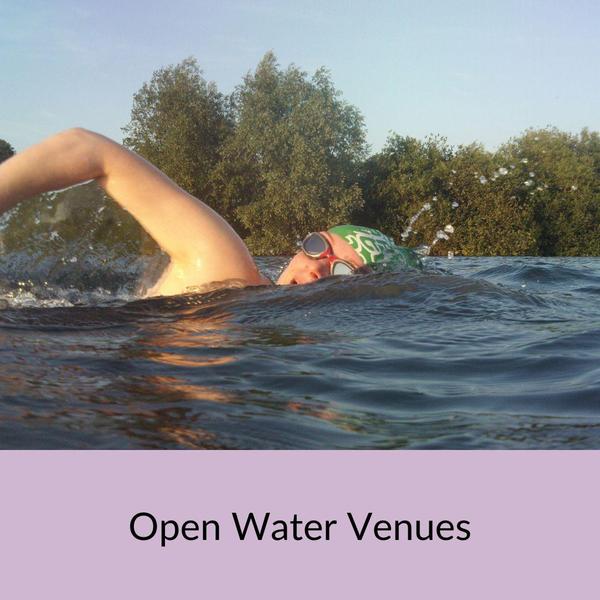
Like many of you, I’ve been taking to open water for relief for the heat. But I’ve had the strange sensation of enjoying the relative cool, while being alarmed at how warm the water is. It’s both a gift and a warning.
I measured 25.7 degrees in the Thames near Teddington earlier in the week. I wouldn’t be surprised if it has now gone above 26. The most I have ever measured previously is 24 degrees.
At Shiplake, further upstream, it’s 24 degrees. Their data goes back 10 years. Most summers, the temperature tops out at about 20 degrees.
What we’re experiencing now is extreme. And while
that means we can spend hours messing about in the river without fear of getting cold, high temperatures put aquatic life under enormous pressure.
As water temperature increases, it holds less oxygen, and both fish and invertebrates can experience hypoxia stress. Fish move into deep or shaded areas but this reduces their feeding opportunities. They also become more
susceptible to diseases. Another risk is algal blooms, which can further reduce dissolved oxygen, especially at night.
Help our rivers
Unfortunately, we can’t do much about extreme heat events, but we can contribute to protecting our rivers and watercourses.
Heat puts river ecosystems under stress. We should be mindful, as swimmers and concerned citizens, not to add to that stress. Here are a few simple things we can do:
- Enter the water gently and swim lightly, preferably in deeper water – disturbing silt in shallow water can release
nutrients and increase microbial activity.
- Look out for signs of stress – fish gasping at the surface or dead fish. These can be reported to Environment Agency.
- Give space to wildlife – don’t cause wildlife to expend energy moving away from you. Also, keep dogs under control.
- Beyond your swimming, avoid adding to aquatic stress by not pouring anything except water down your drains and avoiding garden chemicals – especially if rain is forecast.
Look after your health
While dry days mean there is less chance of sewage spills, certain bacteria thrive in warmer conditions. In addition, treated effluent flows into our rivers continuously. After sustained dry spells, natural flows are reduced compared to the volume of effluent so there is less dilution. Low flows mean effluent is dispersed more slowly. This doesn’t necessarily mean the water quality will be poor, but it increases the risk. Here are a few things you can do to mitigate that
risk.
- Look for any data you can find on water quality where you swim or nearby. If it’s a bathing water spot, there will be data on the EA website, but plenty of other places are monitored by citizen scientists.
- Give any outfalls a wide berth, especially those connected to sewage treatment
works.
- Avoid swimming in narrow inlets or other places where the water can become stagnant.
Warm weather is a mixed blessing. I’ve enjoyed some beautiful swims because of it, but we do need to be aware of the pressure it puts on our waterways.
Bigger picture
Thinking bigger picture, beyond the current heatwave across Europe, there are ways we can contribute to environmental protection. An easy one is to download the Climategames app and sign up to our challenges. These convert your swims to positive action for the planet. July is “Plastic-Free” month, and we’re supporting an organisation that removes plastic from the oceans.